Islamic Blogs
Discover insightful Islamic blogs written to guide your spiritual journey.
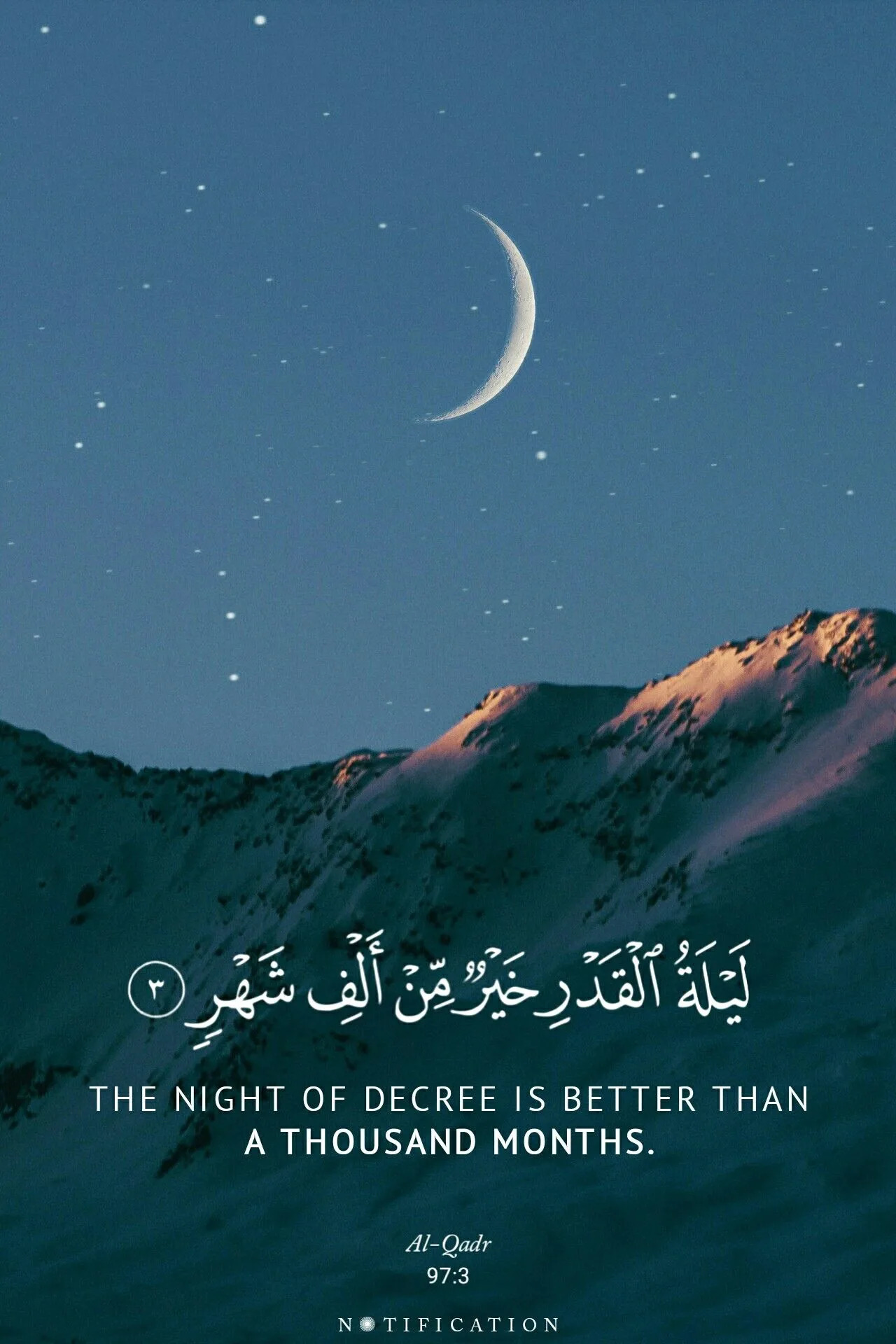
Laylatul Qadr: Embracing the Night of Infinite Mercy
Laylatul Qadr: Embracing the Night of Infinite Mercy Laylatul Qadr — often translated as the Night of Power or Night of Decree — is the most sacred night in the Islamic calendar. It falls within the final ten nights of Ramadan and marks the moment when the Holy Qur’an was first revealed to Prophet Muhammad (peace be upon him). This is not just a night of remembrance — it is a night of transformation, forgiveness, destiny, and divine mercy. Why Laylatul Qadr Is Better Than a Thousand Months Allah says in the Qur’an: “Laylatul Qadr is better than a thousand months.” (Surah Al-Qadr 97:3) One night of sincere worship is equal to more than 83 years of devotion. This makes it a once-in-a-lifetime opportunity repeated every year. On this blessed night, believers are given a rare chance to: 1. Wipe the Slate Clean Sincere prayer and repentance on Laylatul Qadr can lead to the forgiveness of past sins. It is a night of mercy, where hearts are purified and burdens are lifted. 2. Influence the Coming Year Laylatul Qadr is known as the Night of Decree. It is believed that the destinies for the upcoming year are written and handed over to the angels by Allah. Through dua and devotion, believers place their hopes before their Creator. 3. Experience Divine Peace The night is filled with tranquility. Angels descend in abundance, led by Angel Jibril (Gabriel), spreading peace until dawn. The atmosphere is calm, spiritually charged, and deeply serene. When Does Laylatul Qadr Occur? The exact date is hidden to encourage believers to seek it consistently. It is most likely to fall on one of the odd-numbered nights during the last ten days of Ramadan: 21st 23rd 25th 27th 29th While many communities emphasize the 27th night, true spiritual excellence lies in striving during all ten nights. How to Seek Laylatul Qadr To maximize the rewards of this night, approach it with intention and preparation. 1. The Most Powerful Dua The Prophet Muhammad (peace be upon him) taught this supplication: “Allahumma innaka ‘afuwwun tuhibbul ‘afwa fa’fu ‘anni.”(O Allah, You are Most Forgiving, You love to forgive, so forgive me.) Repeat it often, with sincerity and humility. 2. Qiyam-ul-Layl (Night Prayer) Stand in voluntary night prayers such as Tahajjud, especially during the last third of the night. Long, heartfelt prayers carry immense reward. 3. Reconnect with the Qur’an Laylatul Qadr marks the beginning of revelation. Spend time: Reciting the Qur’an Listening to its recitation Reflecting on its meaning This is a night to strengthen your relationship with divine guidance. 4. Give Charity Strategically Giving even a small amount of charity on Laylatul Qadr carries the reward of giving daily for over 83 years. It is one of the most powerful nights to give Sadaqah. 5. Observe I’tikaf (Spiritual Retreat) If possible, dedicate yourself fully to worship by performing I’tikaf in the mosque or creating a quiet spiritual space at home. Disconnect from distractions and reconnect with your Creator. Signs of Laylatul Qadr Prophetic traditions describe subtle signs associated with this night: During the Night: Calm and peaceful atmosphere Moderate temperature — neither too hot nor too cold A deep sense of spiritual tranquility The Following Morning: The sun rises softly It appears reddish and without harsh rays Many believers also report a profound inner peace and emotional clarity during their worship. A Night of Opportunity Laylatul Qadr is not just a date on the calendar — it is an annual invitation from Allah. An invitation to seek forgiveness.An invitation to renew faith.An invitation to change destiny through sincere prayer. The doors of mercy are wide open. May we recognize this blessed night, worship with sincerity, and emerge spiritually renewed.
View More.png)
Shab-e-Miraj: The Night of Divine Journey, Spiritual Elevation, and Blessings
Shab-e-Miraj is one of the most significant and spiritually powerful nights in Islam. It marks the miraculous journey of Prophet Muhammad ﷺ, known as Al-Isra wal Miraj, during which he was taken from Masjid al-Haram (Makkah) to Masjid al-Aqsa (Jerusalem) and then ascended through the heavens by Allah’s command. This sacred night is not just a historical event—it carries deep lessons about faith, patience, prayer, and Allah’s limitless mercy. What is Shab-e-Miraj in Islam? Shab-e-Miraj commemorates the night when Prophet Muhammad ﷺ experienced Al-Isra wal Miraj, a divine journey mentioned in the Qur’an and Hadith. Al-Isra: The night journey from Makkah to Jerusalem Al-Miraj: The ascension through the seven heavens During this journey, the Prophet ﷺ met earlier prophets and witnessed signs of Allah’s power that lie beyond human understanding. Shab-e-Miraj literally means “The Night of Ascension.” When is Shab-e-Miraj Observed? Shab-e-Miraj is observed on the 27th night of Rajab, the seventh month of the Islamic calendar.The exact date may vary depending on moon sighting. Muslims across the world observe this night with prayer, reflection, and remembrance of Allah. Importance of Shab-e-Miraj The importance of Shab-e-Miraj lies in the fact that it marks the gift of Salah (five daily prayers) to the Muslim Ummah. Unlike other commands revealed on earth, Salah was given above the seven heavens, highlighting its unmatched significance in Islam. This night teaches: The power of patience during hardship The importance of regular prayer That Allah’s help arrives after perseverance Shab-e-Miraj reminds believers that spiritual elevation comes through obedience and trust in Allah. Why Was Shab-e-Miraj a Turning Point? Shab-e-Miraj occurred after one of the most difficult phases in the Prophet’s ﷺ life: The loss of his beloved wife Khadijah (RA) The death of his uncle Abu Talib Rejection and hardship in Makkah At a moment of extreme emotional pain, Allah honored His Prophet ﷺ with a journey beyond the heavens. This teaches Muslims that relief follows endurance. How Do Muslims Observe Shab-e-Miraj? There is no compulsory ritual for Shab-e-Miraj, but Muslims often observe the night through: Offering Nafl prayers Reciting the Qur’an Sending Durood Sharif Making sincere dua Reflecting on the importance of Salah The focus is not celebration, but spiritual awareness and gratitude. Lessons from Shab-e-Miraj Shab-e-Miraj offers timeless lessons for every believer: Never underestimate the value of prayer Hardship is not rejection—it is preparation Allah’s mercy is beyond human limits Spiritual growth requires consistency, not emotion This night calls Muslims to strengthen their relationship with Allah through sincere worship. Conclusion: A Night That Elevates the Believer Shab-e-Miraj is a reminder that Allah is always aware of our struggles, even when answers seem delayed. It teaches that: Faith is tested before it is rewarded Prayer is the believer’s direct connection with Allah Elevation begins with humility May this sacred night inspire us to protect our Salah, renew our faith, and trust Allah’s wisdom in every phase of life.
View More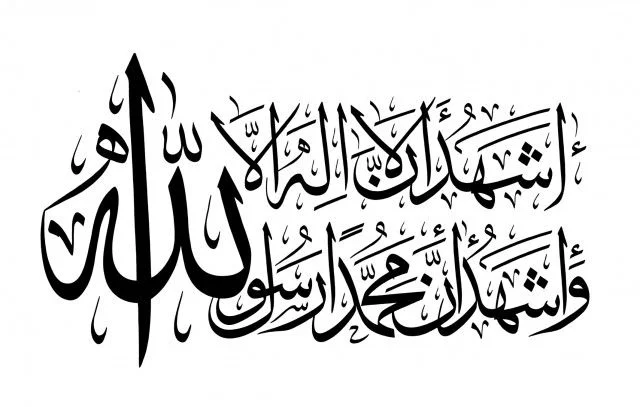
The Five Pillars of Islam: Quranic Foundations and Prophetic Teachings
The Five Pillars of Islam: Quranic Foundations and Prophetic Teachings Islam is not built on complex rituals or abstract ideas.At its heart, it stands on five simple but powerful practices that shape how a Muslim believes, worships, gives, controls desires, and connects with the global community. These are known as the Five Pillars of Islam.They come directly from the Qur’an and the teachings of Prophet Muhammad ﷺ, and they are meant to be lived, not just learned.1. Shahada – The Foundation of Faith Everything in Islam begins with the Shahada, the declaration of faith: There is no god worthy of worship except Allah, and Muhammad ﷺ is the Messenger of Allah. This statement is not a slogan.It is a commitment — that life, worship, and obedience belong to Allah alone, and that guidance is taken from the Prophet ﷺ. The Qur’an repeatedly reminds people of this core truth: “Allah bears witness that there is no deity except Him…” (3:18) The Prophet ﷺ made it clear that Islam itself stands on this declaration. Without Shahada, the rest has no meaning.In simple terms:Shahada gives direction to belief. It answers who we worship and how we know the right path. 2. Salah – Daily Connection With Allah Salah is the practice of five daily prayers, spread across the day.It is not meant to be mechanical. It is meant to be a pause from life, five times a day, to realign the heart. Allah says: “Establish prayer for My remembrance.” (20:14) Prayer keeps a person grounded. It creates discipline, humility, and awareness of right and wrong.That’s why the Prophet ﷺ said the first thing a person will be questioned about on the Day of Judgment is Salah. In real life:Salah brings routine, accountability, and spiritual balance into daily chaos.3. Zakat – Sharing What Was Never Truly Ours Zakat is not optional charity.It is a right of the poor over the wealth of the capable. A small portion of savings is given to those who are struggling — not as a favor, but as responsibility. The Qur’an clearly defines where Zakat goes: “Zakat is only for the poor, the needy…” (9:60) Zakat cleanses wealth from greed and reminds a person that money is a trust, not ownership. Its deeper purpose:Reducing inequality, strengthening community bonds, and softening the heart. 4. Sawm – Fasting in Ramadan During the month of Ramadan, Muslims fast from dawn to sunset.This includes food, drink, and physical desires. Allah explains why fasting exists: “So that you may develop self-restraint.” (2:183) Fasting teaches patience, empathy, and control.It makes a person feel hunger so they understand those who live with it daily. The Prophet ﷺ promised immense reward for sincere fasting, not because of hunger, but because of intent and self-discipline. In essence:Sawm trains the soul to lead the body — not the other way around.5. Hajj – A Journey of Equality and Renewal Hajj is a pilgrimage to Makkah, required once in a lifetime for those who are able. It strips away status, wealth, and identity. Everyone wears the same simple clothing. Everyone performs the same actions. Allah commands: “Pilgrimage to the House is a duty owed to Allah by those who are able.” (3:97) The Prophet ﷺ described a sincere Hajj as a complete spiritual reset — like starting life anew. What Hajj really represents:Unity, humility, and the reminder that all humans stand equal before Allah.A Way of Life, Not Just Rituals The Five Pillars are not isolated actions.Together, they shape a complete way of living: Shahada gives belief Salah gives discipline Zakat builds responsibility Sawm teaches control Hajj creates unity Islam turns faith into daily practice, not theory. When these pillars are understood properly, they don’t burden life —they organize it.
View More